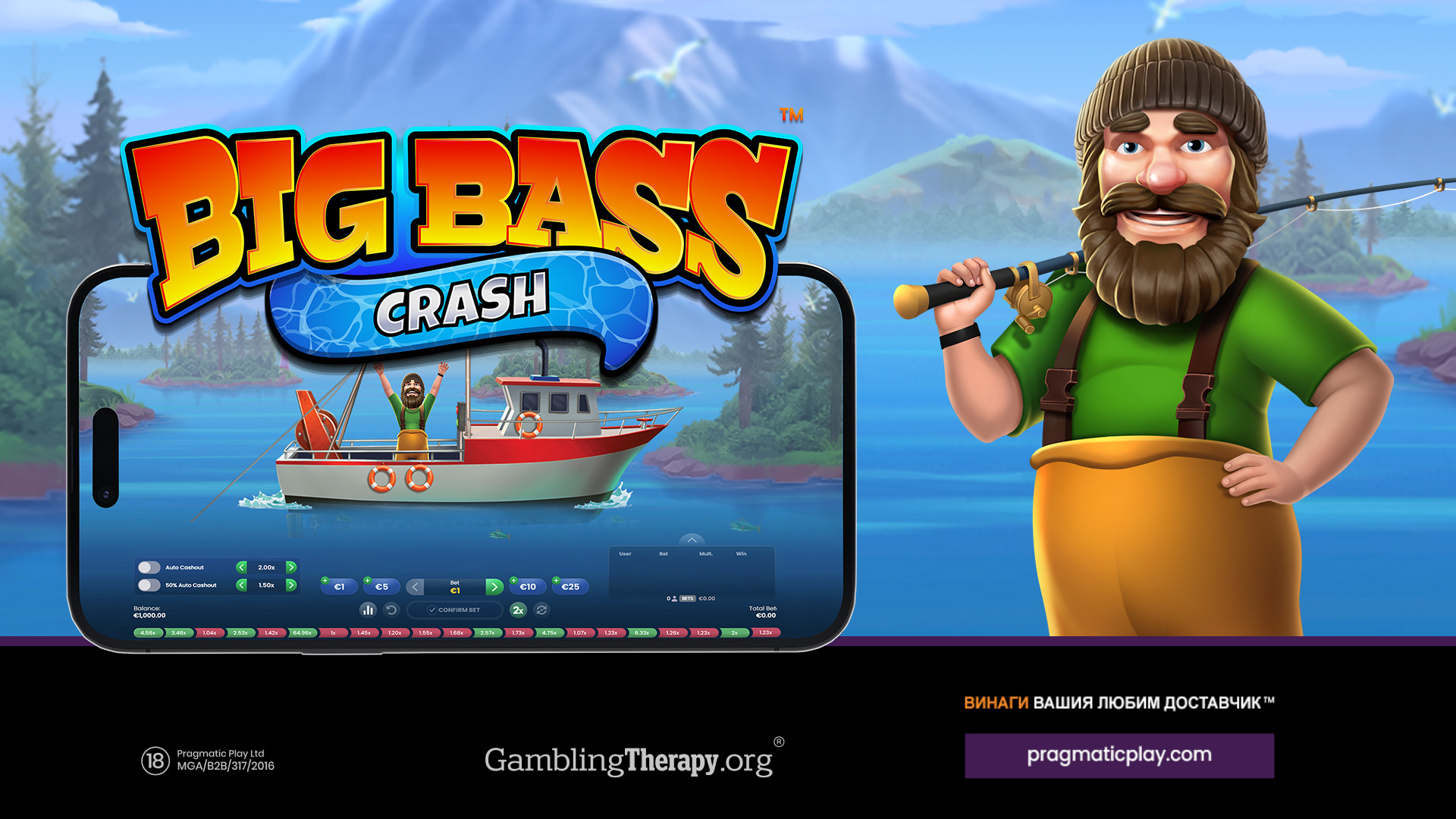

Excitement for a new online game usually hits a peak, then gives way to intense scrutiny after it goes live bigbasscrashcasino.ca. The team behind Big Bass Crash experienced a different rhythm in Canada. Right before the game’s official question—that critical point of player reception and regulatory review—a distinct wave of proposal nerves washed over the project. This wasn’t doubt. It was a deliberate, self-imposed calm. Programmers and strategists began a full pre-launch review. They analyzed everything: the gameplay, the volatility models, the responsible gambling features, and every regional compliance detail. This intentional pause, a strategic deep breath before the storm of public opinion, revealed a commitment to entering Canada with more than a game. They wanted to provide a complete, responsible experience tailored for a market that pays attention.
Important Takeaways from the Big Bass Crash Pre-Launch Stage
The calculated approach from the Big Bass Crash team delivers a framework for launching games in regulated markets. The primary insight is that success is achieved well before anyone clicks the launch button. By treating proposal nerves as a positive force, the team transformed anxiety into assurance. This process emphasizes multiple non-negotiable pillars for any iGaming title that wants staying power and respect in a market like Canada, where player protection is paramount.
Critical Pre-Launch Checklists
You can distill the detailed review into a few essential action items. These aren’t sequential steps, but parallel streams of activity that define a responsible launch cycle for an online casino game in the current market.
- Compliance Audit: A full verification of the game against the specific technical and legal demands of each target market. This encompasses Ontario’s iGO standards and Kahnawake regulations.
- External Certification: Obtaining official certification for the game’s RNG and RTP from an approved third-party testing lab, like eCOGRA or iTech Labs. This provides tangible proof of fairness.
- Safe Gambling Integration: Incorporating and testing features like reality checks, convenient limit settings, and transparent loss indicators. The game must also support operator-level player protection tools.
- Market-Specific Adaptation: Tailoring the theme, graphics, and messaging to engage local audiences, while closely adhering to regional advertising and content rules.
- Technical Performance Optimization: Evaluating the game across devices, platforms, and network conditions. The game must guarantee consistent performance during peak traffic, which is vital for preserving player trust.
Customizing the Adventure for the Canada-based Player
Canada isn’t one single market. It’s a mosaic of provincial jurisdictions with overlapping cultural threads. A successful launch needs localization that goes beyond than language. The quiet before the query for Big Bass Crash was used to optimize the experience for Canadian players. They made sure the fishing and outdoors theme resonated with a culture known for cottage country and vast natural landscapes. Visual elements got minor adjustments to reflect familiar waters, from Pacific coastlines to boreal lakes. Crucially, all promotional text and in-game messages were crafted to match Canada’s strong responsible gambling framework. The messaging stressed play as entertainment, not as a way to make money.

Regulatory alignment was essential. Each Canadian province manages its own iGaming system, with Ontario’s open market being the biggest. The pre-launch period involved ensuring the game’s backend could interface smoothly with the province’s iGaming Ontario (iGO) platform. This included the necessary connections for player protection data. They also verified compatibility with platforms in other provinces run by their own lottery corporations. This technical and compliance groundwork happens out of sight. For the player, it’s hidden. But it was a key part of the proposal nerves. It assured that from the very first moment of going live, the game would offer a seamless, legal experience for every Canadian, no matter their postal code.
Calculated Positioning in a Competitive Market
The Canadian iGaming space is crowded with established titles from global studios. Introducing a new crash game necessitates a clear strategic wikidata.org identity, not just a working product. The period of calm aided solidify the unique value proposition for Big Bass Crash. Instead of presenting another abstract multiplier game, it leaned hard into its narrative theme. The fishing metaphor immediately influenced the gameplay. The team confronted strategic decisions about market placement. Should they market it as a high-volatility niche product, or as a more accessible mainstream option? Their analysis suggested to a balanced approach. They targeted players who sought a themed experience with clear, engaging mechanics.
Marketing and Promotional Readiness
Alongside the technical review, the marketing machine was in a state of organized quiet. Every asset was completed and vetted against Canadian advertising standards. Banner ads, video trailers, and affiliate communications all had to conform with strict rules. These rules prohibit suggesting gambling fixes financial problems or appealing to minors. The marketing story centered on the excitement of the “catch” and the tension of the crash, always presented as controlled enjoyment. During this phase, they also developed educational content to explain crash game mechanics to newcomers. This move intended to build trust and demystify the genre for a Canadian audience.
Promotional campaigns and bonus integrations were mapped out in detail. Collaborations with licensed Canadian casinos were confirmed to ensure any launch offers, like free spins or bonus bets for Big Bass Crash, were arranged responsibly. This meant setting clear wagering requirements and making the terms and conditions transparent and fair. By getting all these elements pre-approved, the team made sure of one thing. Once the game passed its “question” and launched, the shift from anticipation to live play would feel professional and instantly engaging for players from coast to coast.
The “Inquiry” and Post-Launch Adaptation
For Big Bass Crash, the “question” was the moment of truth: the game’s release into the Canadian market and its evaluation by players and operators. The thorough preparation beforehand was meant to offer a assured, affirmative answer. The team established initial metrics for success. They considered more than revenue to player engagement time, session depth, and feedback sentiment. They created a strong post-launch monitoring protocol. They were ready to compile data on how different provinces received the game, which features players enjoyed, and if any unexpected technical glitches occurred.
This proactive setup allowed for swift modification. For example, if data revealed that players in Alberta consistently cashed out at different multipliers than players in Quebec, the team could look into. They could then conclude if regional preferences should influence future game variations. The pledge included responsible gambling. They embedded monitoring tools to detect potential problematic play patterns, with clear paths to notify casino operators. So the pre-launch nerves became vigilant readiness. The whole process aimed to launch a product that wasn’t static. It was a dynamic offering, able to change based on real Canadian player behavior while keeping the highest standards of quality and safety.
The Breakdown of Pre-Launch Anxiety in Digital Gambling
Each competitive industry senses a unique tension just before a release. Regarding iGaming studios, that tension multiplies. Technical factors, regulations, and player psychology all collide. People refer to this phase “anticipation anxiety.” This is that intense in-house evaluation that happens after development finishes but before the market has its say. This period revolves around rigorous testing, ethical audits, and preparing for every scenario. Concerning Big Bass Crash, that period proved critical. Venturing into Canada’s mature and tightly regulated digital casino scene required the game had to be beyond functional. It required impeccable fairness, engaging delivery, and total compliance to norms from organizations like the AGCO and the Kahnawake Gaming Commission.
Technical and Ethics Review
The core of the pre-launch calm consisted of scrutinizing the game’s tech and moral foundation. The group employed external testing labs to validate the reliability of the Random Number Generator (RNG), the center of any crash game’s randomness. However they looked beyond the raw data. They analyzed the game’s psychological influence. This required evaluating spin speed, how clearly the payout multiplier was shown, and the sound and visual signals. The objective was to foster informed play, not reckless action. They sought adrenaline-filled entertainment that should not accidentally foster harmful patterns. This extent of self-examination puts reputable game providers in a separate category, which is important in a accountable market like Canada. For the developers, it was a nerve-wracking but vital stage.
Volatility and Return Transparency
A main focus was a thorough analysis of variance and transparency. Crash games are built on high-risk, high-reward design. The developers ran numerous of game simulations to confirm the stated return-to-player (RTP) percentage remained accurate and consistent. Furthermore, they aimed to make the mechanics exceptionally understandable. They improved clear instructions, an obvious cash-out button, and a clear history of latest game rounds. The objective was simple. Any player in the provinces of Ontario or British Columbia, whether beginner or experienced, should have no confusion about how the game works or the way their possible payout is determined. This creates a trustworthy environment from the initial interaction.
Establishing Trust Via Transparent Processes
Finally, the story of Big Bass Crash’s pre-launch period is about creating trust with transparency and hard work. Canadian players just witness the finished offering: an captivating fishing-based crash experience. They don’t see the prolonged internal discussions, the ethical discussions, and the rigorous testing that preceded it. This backstage work is what allows a game face its public “query” with assurance. It assures players they are engaging with a product crafted for more than profit, but for lasting entertainment across a safe framework. Within the sector where trust is the final currency, this method is a wise investment.
Easing proposal anxiety isn’t about dampening enthusiasm. Instead, it directs that drive toward quality assurance. For the Canadian online gaming community, which holds dear both innovation and integrity, this process creates a superior player experience. It ensures that fresh titles coming to market are scrutinized with a solemnity that corresponds to the obligation of delivering real-money entertainment. The game Big Bass Crash now resides on the online casinos of licensed Canadian casinos. Its arrival underscores a lesson. The boldest launches are usually the ones that follow the most thoughtful, stressful groundwork.